Why Buttery Soft Leggings Stretch Out Mid-Workout and Refuse to Bounce Back
Quick Answer: Buttery soft leggings stretch out during a workout because the brushed, high-nylon fabrics that create that hand-feel typically carry less elastane and a looser knit than compression fabrics, so they deform under repeated load and recover slowly. Body heat accelerates it. The fix is a higher-rise, wider waistband, a size that’s snug rather than comfortable at the start, and washing cold plus air-drying so the elastane keeps its snap. If a pair sags at the knees within one session, it’s the wrong fabric for training rather than a defect.
By squat three they’re fine. By the end of the session there’s a pouch behind each knee and you’ve hitched the waistband four times. It’s not you.
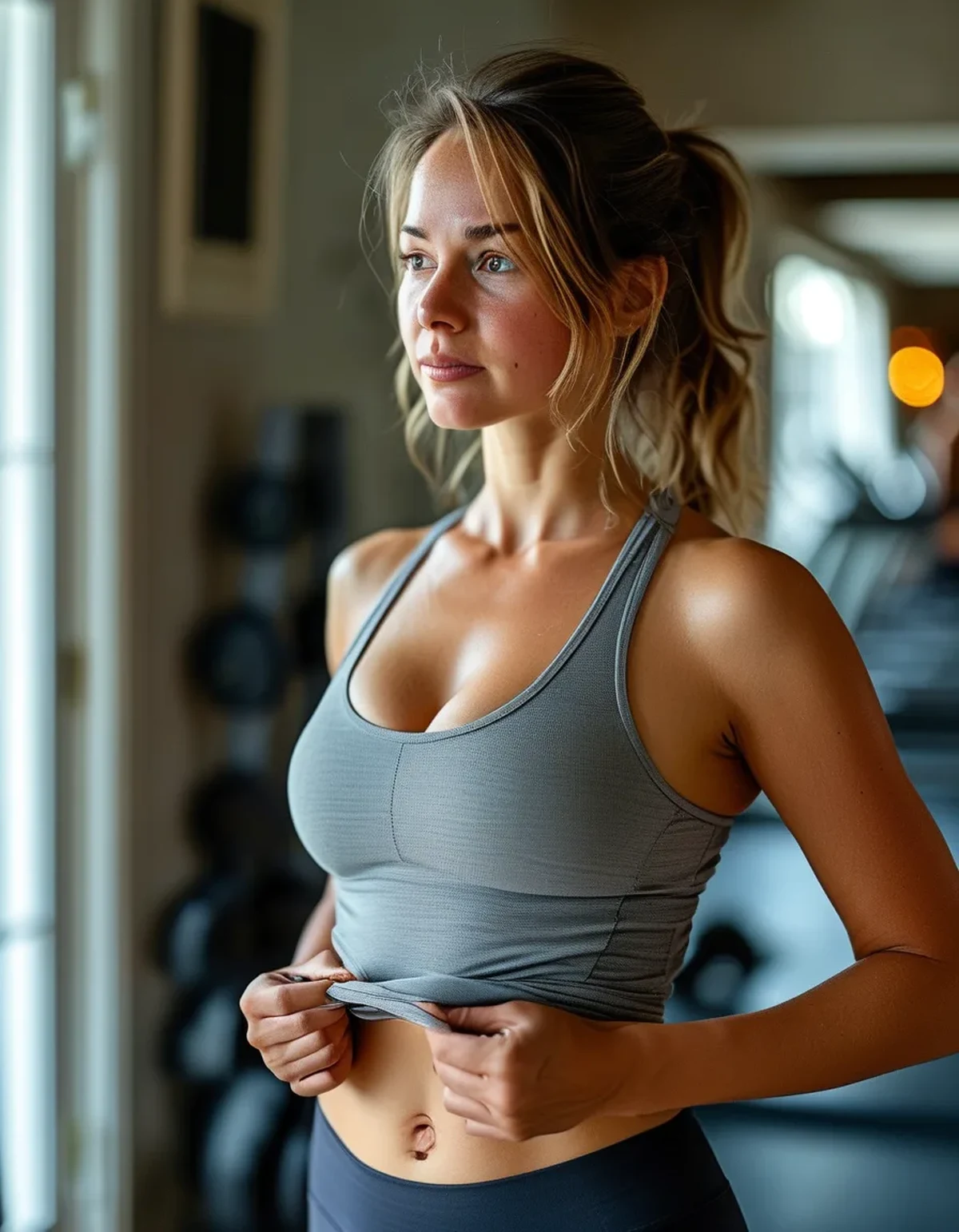
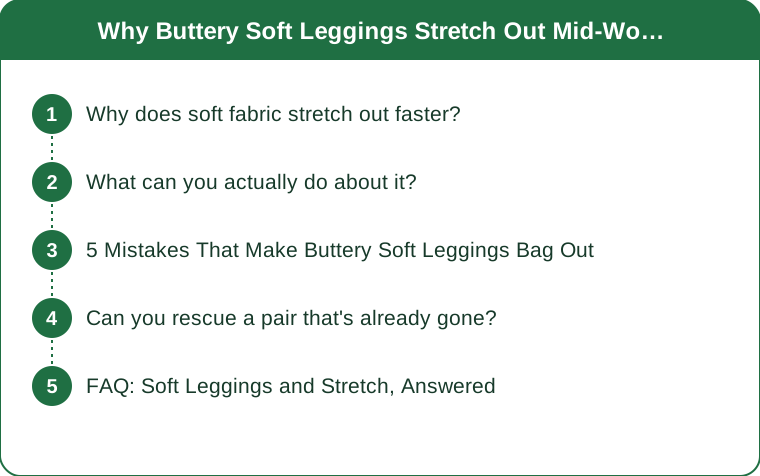
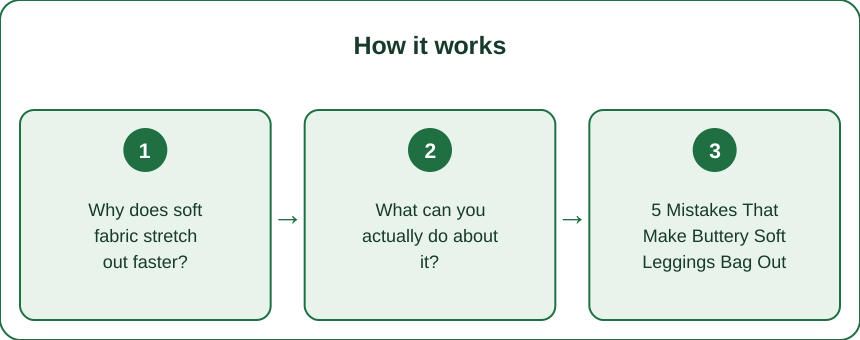
Why does soft fabric stretch out faster?
Softness and recovery pull in opposite directions. The brushed handfeel that people describe as buttery comes from a looser, plusher knit with a raised surface. Loose knits deform more easily under load than dense ones, and they take longer to spring back.
Elastane content is doing the recovery work. Fabrics with a higher proportion of elastane generally recover faster and hold shape better; softer, plusher blends often sit at the lower end of that range because more elastane makes the fabric feel firmer and less pillowy.
Heat makes elastane temporarily more relaxed. Your body warms the fabric during a session, and warm elastane is more willing to stay stretched. This is why leggings feel loosest at the end of a hard workout and tighter again the next morning.
Knees and seat take repeated directional load. Every rep bends the fabric in the same place, and repeated deformation in one spot is exactly what produces the knee pouch and the seat sag.
And the fibres age. Elastane degrades with heat, chlorine, oil, and UV. A pair that recovered well last spring may genuinely have less snap now, particularly if it’s been through a tumble dryer regularly.
What can you actually do about it?
Buy the size that’s snug on day one. Soft fabrics relax with wear, so a pair that feels perfect in the fitting room will feel loose within a month. The correct starting point is comfortably firm, not immediately luxurious.
Prioritise the waistband over the fabric. A wide, high-rise band with its own denser knit holds the whole garment up regardless of what the leg fabric is doing. Thin waistbands on soft leggings are the single biggest predictor of hitching.
Wash cold, inside out, and skip the fabric softener. Heat is the main enemy of elastane, and softener coats fibres in a way that reduces both grip and recovery.
Air dry, always. Tumble drying is the fastest way to kill the recovery in a soft-blend legging. Flat or hanging, out of direct sun, costs nothing and adds months.
Give them a rest day. Elastane recovers with time off. Wearing the same pair three days running is where permanent bagging starts.
And match the pair to the session. Soft-blend leggings are excellent for walking, yoga, pilates, travel, and everything low-impact. For heavy squats, running, and anything with repeated deep knee bend, a firmer compression fabric will hold shape and the soft pair won’t.
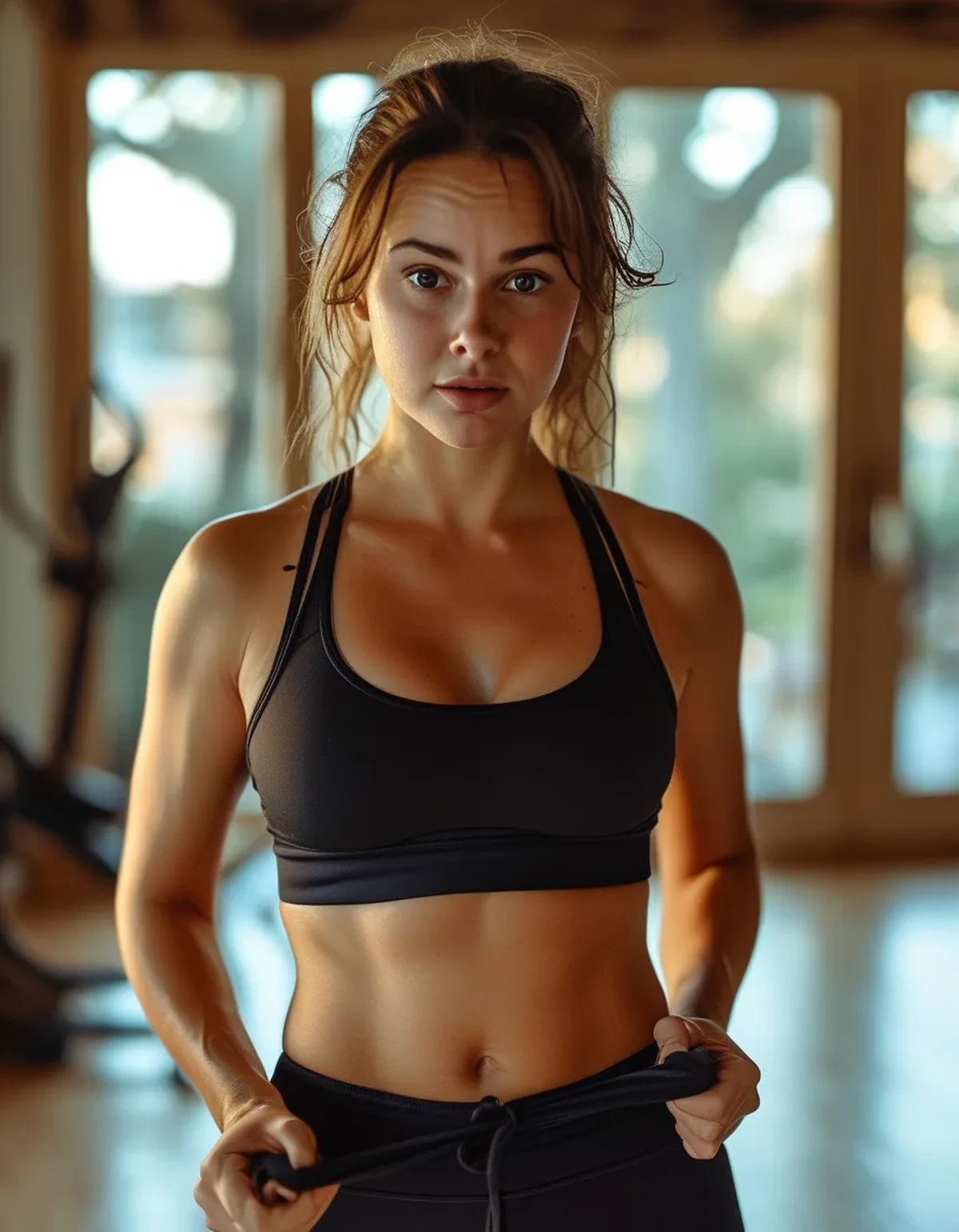
5 Mistakes That Make Buttery Soft Leggings Bag Out
Mistake 1: sizing up for comfort. Soft fabric already relaxes with heat and wear. Starting one size loose means you’re chasing the waistband from the first rep.
Mistake 2: the tumble dryer. It’s the fastest route to dead elastane. One cycle won’t ruin them; a habit will, and the damage doesn’t reverse.
Mistake 3: fabric softener and dryer sheets. They deposit a coating that reduces the fabric’s ability to grip and recover, and on brushed fabrics they accelerate pilling at the same time.
Mistake 4: wearing the same pair daily. Elastane needs recovery time. Rotating even two pairs measurably extends how long both hold their shape.
Mistake 5: expecting one legging to do everything. The pair you love for a rest day walk in the cooling autumn air is not the pair for heavy lower-body training. Two different fabrics, two different jobs - and buying accordingly is cheaper than replacing one pair repeatedly.
Can you rescue a pair that’s already gone?
A cold wash and full air dry restores some snap. Not all of it, but a pair that feels dead after a hot wash often comes back partway once it’s cooled and dried properly. Try this before writing them off.
Check whether the sag is fabric or waistband. If the leg fabric is fine and the waistband has gone, the pair is best demoted to lounge and travel duty rather than replaced entirely.
A higher-rise or a wider band changes the whole experience. If your current pair is mid-rise and hitching, the next pair being high-rise with a wide band will solve it more reliably than moving up a price bracket.
Look at the seams for the real verdict. Fabric that’s thinned or gone semi-sheer at the seat has structurally changed and won’t recover. Fabric that’s simply relaxed usually will, at least partly.
And retire them honestly. A soft legging that no longer holds shape is a genuinely good lounge, travel, and layering piece for the cooler months ahead - underneath a longer top or a dress, nobody’s assessing its recovery. Demotion beats binning.
FAQ: Soft Leggings and Stretch, Answered
Why do my leggings feel loose by the end of a workout?
Body heat relaxes the elastane and repeated load deforms a soft, plush knit faster than a dense compression knit. They usually feel closer to normal again once they’ve cooled and rested.
Does washing leggings in cold water actually help?
Yes. Heat is the main thing that degrades elastane, so cold washing plus air drying is the single highest-value habit for keeping recovery intact.
Should I size down in buttery soft leggings?
Buy the size that’s snug rather than immediately comfortable, because soft blends relax with wear. Whether that means sizing down depends on the brand, but it does mean not sizing up for comfort.
Why do the knees bag out first?
Every rep bends the fabric in the same place. Repeated directional deformation at the knee produces a pouch faster than anywhere else on the garment.
TL;DR:
- The plush knit that makes leggings feel buttery is the same thing that makes them recover slowly.
- Body heat relaxes elastane, which is why they feel loosest at the end of a session and better the next morning.
- Buy snug rather than comfortable, and prioritise a wide high-rise waistband over anything else.
- Cold wash, no softener, air dry, and rotate pairs so the elastane gets recovery time.
- Match fabric to session: soft blends for low-impact and travel, firmer compression for heavy or high-impact work.
A pair that’s lost its shape isn’t rubbish - it’s a very good travel and layering legging that stopped being a training legging.
See It in Motion
Seen here: High Waist Embossed Yoga Leggings with Side Pockets — shop it on bubblelime.com
Keep Reading
This article is for general informational and styling purposes only. Fit, sizing, and product availability may vary.